
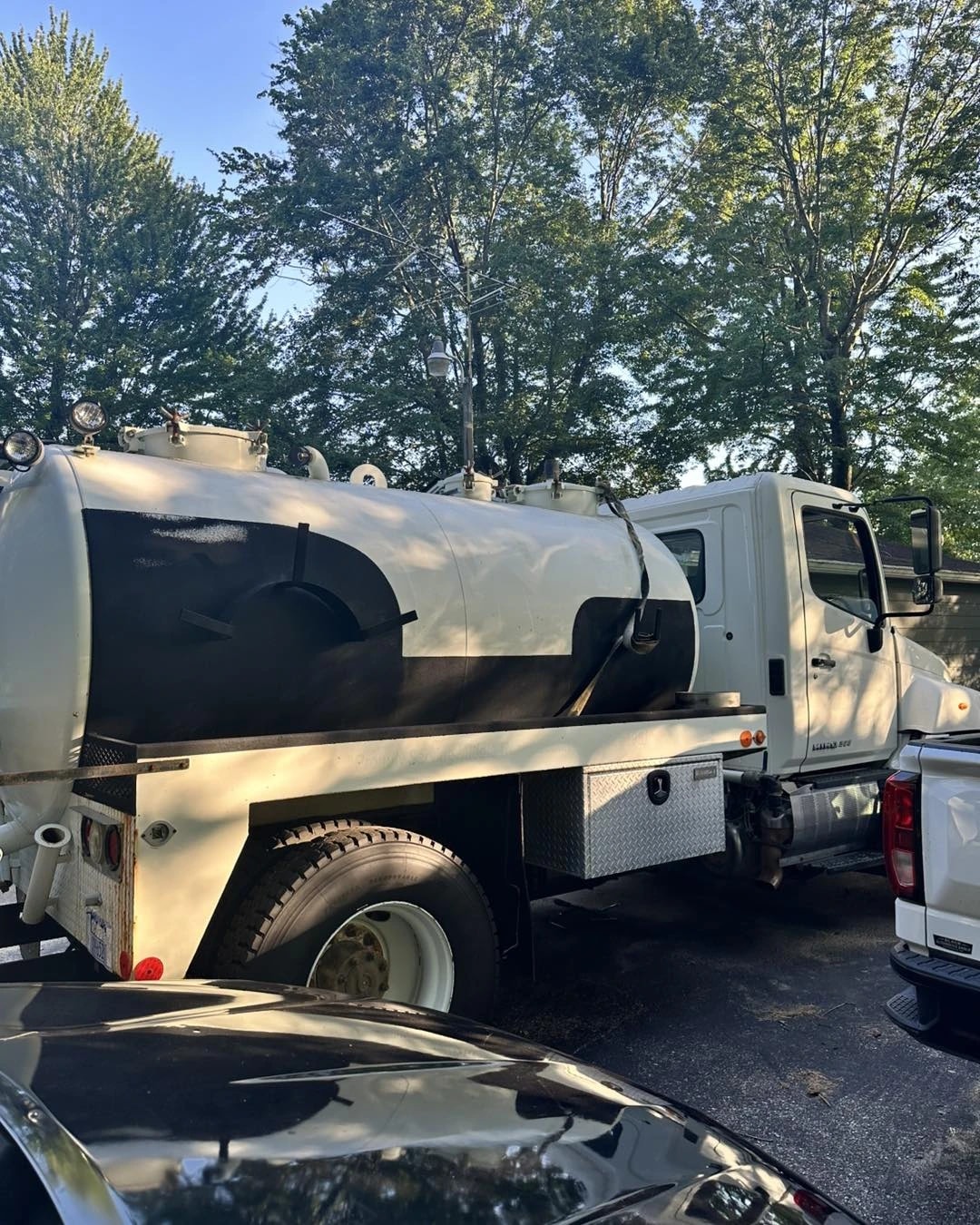
Drain Field Problems: Signs, Causes, and Fixes in Western Kentucky
Western Kentucky's clay-heavy soils and seasonal flooding put extra strain on leach fields. Our crew has diagnosed and repaired drain fields across McCracken, Graves, and Marshall Counties.
Understanding Drain Field Problems in Western Kentucky
A failing drain field doesn't fix itself — and waiting makes it worse. We've diagnosed and repaired leach fields across McCracken, Graves, and Calloway Counties long enough to know that early action is almost always cheaper. Drain field replacement in Kentucky typically runs $5,000 to $15,000, while targeted repairs can often be completed for $1,500 to $4,000.
How It Works
Warning Signs Your Drain Field Is Failing
The first signs of drain field problems are easy to miss. Watch for soggy ground or standing water above your leach field lines even when it hasn't rained, a persistent sewage smell in your yard, and slow-draining toilets or gurgling sounds in your plumbing. A strip of unusually dark green, lush grass running across your yard — directly over the drain field — is a classic indicator that effluent is surfacing instead of percolating into the soil. If you're seeing any combination of these signs, call us at (270) 872-7947 before the problem spreads to the tank itself.
How Western Kentucky Soils Accelerate Drain Field Failure
McCracken County and Graves County soils run clay-heavy, which means they compact easily and don't absorb effluent as efficiently as sandy or loamy soils found in other parts of the country. During spring wet seasons — especially near the floodplains of the Ohio River, Tennessee River, and Clarks River — water tables rise and the soil becomes saturated for weeks at a time. A drain field that functions fine in August can fail completely by March. This seasonal flooding creates conditions that destroy the biomat in leach field lines, causing effluent to pool on the surface rather than absorb into the ground. It's a pattern we see every spring across Marshall County and along the shores of Kentucky Lake.
Drain Field Repair vs. Full Replacement
Not every drain field failure means a $10,000 replacement. When the damage is caught early, we can sometimes restore function by aerating compacted soil, replacing a cracked distribution box ($300–$800), or installing an approved effluent filter. True biomat failure — where the soil is completely sealed with organic solids — usually requires installing new leach lines in a fresh area of the yard, which runs $5,000 to $15,000 depending on system size and soil conditions. Systems that no longer meet the setback requirements under 902 KAR 10:085 — minimum 50 feet from any water supply well, 10 feet from property lines — will require a redesign as part of the repair permit.
Permit and Inspection Requirements in Kentucky
Any drain field work in Kentucky — repair or replacement — requires a permit from the county health department before construction starts. In McCracken County, permits are issued through the McCracken County Health Department; in Graves County, through the Graves County Health Department. Your installer must be licensed under Kentucky's on-site sewage disposal regulations, and a final inspection is required before the new lines can be covered. Skipping this step puts your property at legal risk and can complicate any future resale. Our crew handles every permit and inspection from start to finish.

Why Western Kentucky Homeowners Call Us First
Five years and 500+ customers across McCracken, Graves, Marshall, and Calloway Counties have given us a clear picture of what drain field problems look like — and what actually fixes them.
Frequently Asked Questions
Answers from Western Kentucky's septic experts
The most common signs are soggy ground or standing water above the leach field lines even when it hasn't rained, a persistent sewage smell outside the home, slow drains and gurgling throughout the house, and unusually lush green grass running in a strip across the drain field area. In Western Kentucky, these symptoms often worsen in spring as clay soils saturate from seasonal rainfall and rising water tables near the Ohio River and Kentucky Lake. If you're seeing two or more of these signs together, that's a strong indicator the drain field needs professional assessment — pumping the tank alone won't fix a failed leach field.
Repair is possible in some situations, particularly when the problem is caught early. Distribution boxes crack and can be replaced for $300–$800. Soil compaction from vehicle traffic can sometimes be reversed with aeration. Partial line failures may only require replacing a section of leach pipe. Full replacement becomes necessary when the soil itself has failed — meaning the biomat has completely sealed the absorption zone — or when the existing system no longer meets current 902 KAR 10:085 setback requirements. A thorough inspection is the only way to know which situation you're dealing with.
Repair costs vary based on what's actually failed. Distribution box replacement runs $300–$800. Soil remediation and aeration typically costs $1,500–$3,500. Full drain field replacement in McCracken, Graves, and Marshall Counties generally runs $5,000–$15,000, depending on system size, soil conditions, and whether site prep such as tree removal or grading is needed. County health department permit fees add $150–$400. We provide written estimates before any work begins — no surprises mid-project.
The biggest factor is soil composition. Much of McCracken County, Graves County, and the river basin areas of Marshall County have clay-heavy soils that compact under load and drain slowly — limiting how much septic effluent the ground can absorb. Flooding events along the Ohio River and Tennessee River floodplains can backfill drain field lines entirely, destroying the beneficial bacteria that keep the system working. Combined with older systems installed under less stringent rules than today's 902 KAR 10:085 standards, drain field failure is one of the most common septic problems we see across our entire service area.
Still have questions?
Schedule ServiceDrain Field Problems Don't Wait — Neither Should You
Wurth Brothers serves Paducah, Murray, Mayfield, and all of Western Kentucky.