Grease Trap Cleaning in Western Kentucky
Keeping Paducah, Murray, and Mayfield restaurants compliant and clog-free with professional grease trap pumping and maintenance.
Why Grease Trap Cleaning Matters for Western Kentucky Businesses
If you operate a restaurant, cafeteria, or food processing facility in McCracken County, Graves County, or anywhere in Western Kentucky, regular grease trap cleaning isn't optional — it's required by local health department regulations and Kentucky Division of Water standards. A neglected grease trap leads to sewer backups, foul odors, costly fines, and potential business shutdowns. Wurth Brothers provides scheduled and emergency grease trap pumping to keep your commercial kitchen running smoothly.
How It Works
Health Code Compliance
The McCracken County and Graves County health departments require food service establishments to maintain clean, functioning grease interceptors. Kentucky regulations under 401 KAR Chapter 5 mandate proper grease waste disposal. Failure to comply can result in fines starting at $500 per violation and potential closure orders. Wurth Brothers provides documentation of every service call so you always have proof of compliance for inspections.
Recommended Cleaning Frequency
Most restaurants in Paducah, Murray, and Mayfield need their grease traps pumped every 30 to 90 days, depending on volume. High-output kitchens — think barbecue joints on Broadway in Paducah or fried catfish restaurants near Kentucky Lake — may need monthly service. The industry standard '25% rule' states that grease traps should be cleaned when fats, oils, and grease (FOG) reach 25% of the trap's total capacity. We help you determine the right schedule for your specific operation.
What Happens During a Cleaning
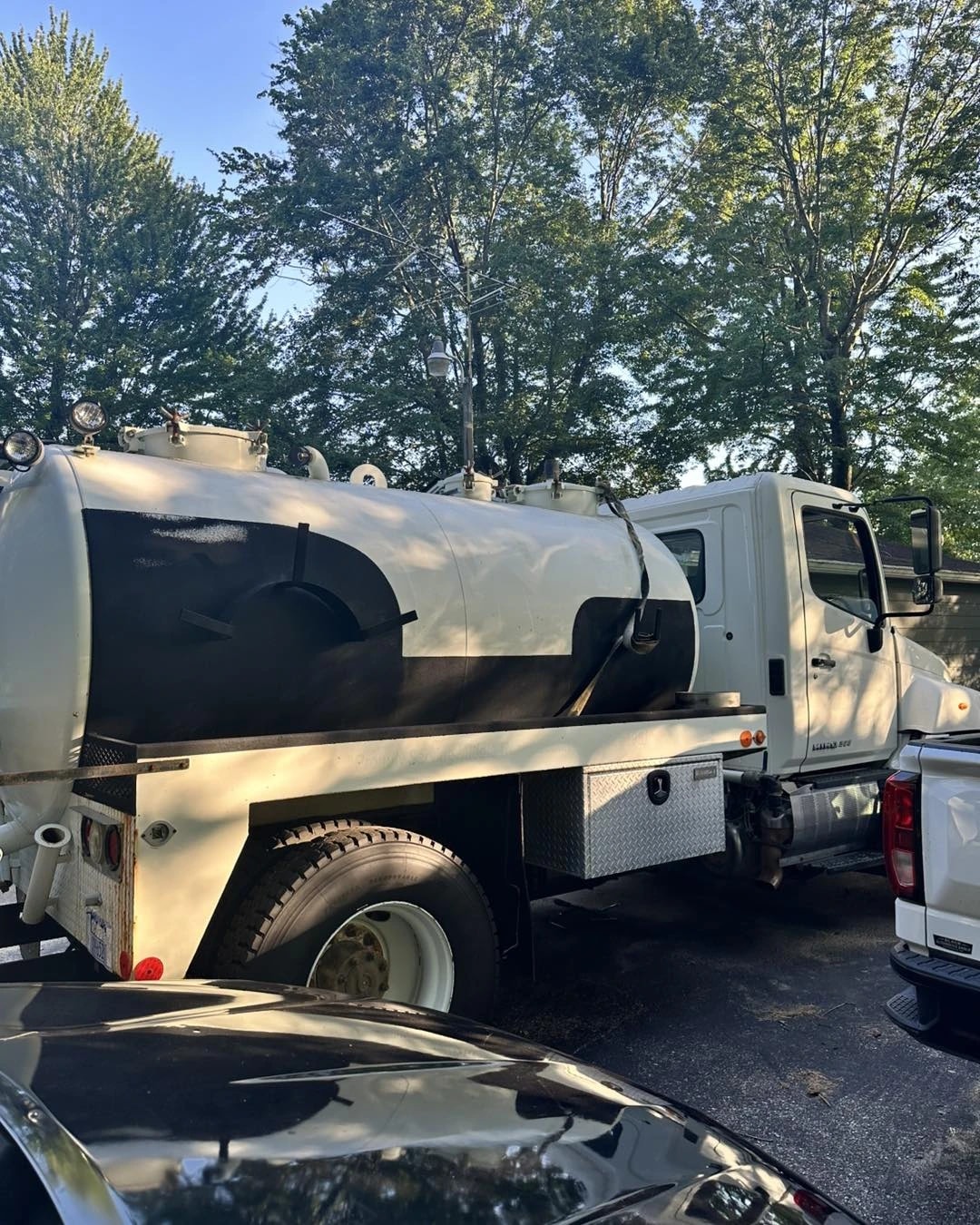
Our technicians arrive with a vacuum truck equipped for grease trap service. We pump out all accumulated FOG, food solids, and wastewater from the trap. We then scrape and clean the trap walls, baffles, and crossover pipes. Finally, we inspect all components for damage or wear, refill with clean water, and properly dispose of all waste at licensed facilities in compliance with Kentucky environmental regulations.
Indoor and Outdoor Traps
Western Kentucky commercial kitchens use both small indoor grease traps (typically 20–50 gallons under a three-compartment sink) and larger outdoor grease interceptors (500–2,000 gallons buried outside the building). Wurth Brothers services both types. Outdoor interceptors, common at larger Paducah and Murray restaurants, require specialized pump trucks and are often subject to stricter municipal sewer authority inspections.

Benefits of Professional Grease Trap Service with Wurth Brothers
Here's why restaurants and commercial kitchens across Western Kentucky trust Wurth Brothers for their grease trap maintenance.
Frequently Asked Questions
Answers from Western Kentucky's septic and grease trap experts
Most Kentucky health departments recommend cleaning grease traps every 30 to 90 days. The exact frequency depends on your kitchen's daily output, the size of your trap, and the types of food you prepare. High-volume fryers and smokers — common at Western Kentucky barbecue and catfish restaurants — produce significantly more FOG and often require monthly service. Wurth Brothers will evaluate your trap during the first service visit and recommend an optimal schedule based on actual grease accumulation levels, following the industry-standard 25% rule.
Neglecting grease trap maintenance leads to a cascade of problems. First, solidified grease blocks the outlet pipe, causing wastewater to back up into your kitchen — creating unsanitary conditions and a potential health department violation. Second, FOG that reaches the municipal sewer system can cause blockages in city lines, which in Paducah and Murray can result in fines from the local sewer authority. Third, the odor from a full grease trap is unmistakable and will drive away customers. In worst-case scenarios, restaurants have been temporarily shut down by McCracken County health officials for grease trap violations.
Yes. Wurth Brothers services small indoor grease traps (typically 20 to 50 gallons, found under sinks in smaller kitchens) and large outdoor in-ground grease interceptors (500 to 2,000+ gallons, common at larger restaurants, hotels, and institutional cafeterias in Paducah, Murray, and Mayfield). Our vacuum trucks are equipped to handle any size. We also service grease traps at schools, hospitals, churches, and food manufacturing facilities throughout McCracken County, Graves County, and surrounding Western Kentucky communities.
Grease trap cleaning costs vary based on the size of your trap, accessibility, and frequency of service. Small indoor traps typically cost between $150 and $350 per cleaning, while larger outdoor interceptors range from $300 to $800 or more depending on capacity and condition. Businesses that sign up for a regular maintenance schedule with Wurth Brothers often receive discounted per-visit pricing. Call us at (270) 872-7947 for a free, no-obligation quote specific to your restaurant or commercial kitchen.
Still have questions?
Schedule ServiceKeep Your Kitchen Running — Schedule Grease Trap Cleaning Today
Wurth Brothers serves Paducah, Murray, Mayfield, and all of Western Kentucky with licensed, reliable grease trap pumping and maintenance.